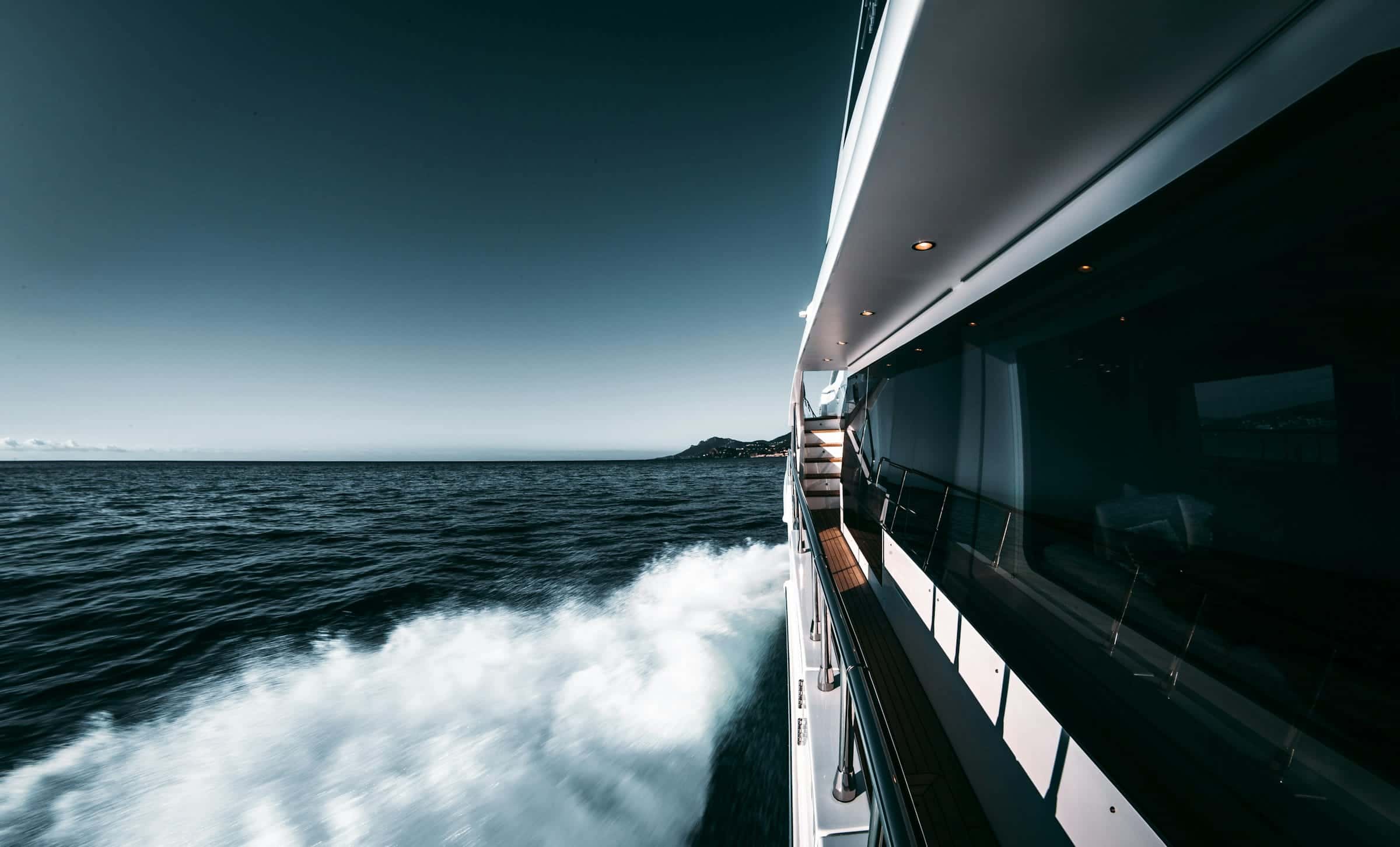
Version and generation
An Axopar is defined by its length and its version: open with a T-Top, enclosed wheelhouse (Cross Cabin), or other versions such as the Sun-Top or the Spyder. At the same length, a closed cabin and an open boat attract neither the same buyer nor the same cruising climate.
Models change from one year to the next and some have moved to a new generation. Two Axopars with the same name but from different generations are not directly comparable: give the build year and the version shown on your papers.
Outboard power
The same model can carry one or more outboards of different power. The chosen engines change performance, fuel consumption and running costs: they are part of the valuation in the same way as the length. Say whether the boat was delivered with these engines or repowered since.
Buyers look at the hours on each engine, servicing by an authorised dealer for that engine make and the year the engines were built. Engines replaced during the boat's life should be disclosed with their invoices and serial numbers.
What the buyer checks at a viewing
- the hull and bottom: gelcoat, antifouling, signs of heavy use;
- the deck and cockpit: decking, upholstery, grab rails;
- on a Cross Cabin, the doors, windows and watertightness of the wheelhouse;
- the forward cabin: damp, upholstery, portlights;
- the electronics: displays, sounder, autopilot, and their age;
- comfort options: windlass, bow thruster, fridge, cover;
- the trailer and its papers, for trailerable models.
Getting ready to sell
Gather the registration, the bill of sale with the list of options, the engine service record, VAT evidence and the CE declaration of conformity. A boat presented with a complete history is easier to compare with other listings.
If the boat has been used for charter, say so: the hours and wear will show it anyway. Then request a valuation to see where your price stands against comparable boats for sale today. Indicative valuation. It does not replace a survey.